The Subak irrigation system of Bali is more than a method of farming — it is a philosophy made visible. This UNESCO World Heritage Site, over a thousand years old, represents the Balinese concept of Tri Hita Karana: the three causes of well-being, the harmonious relationship between humans, the natural world, and the spiritual realm. To photograph it is to witness this philosophy in three dimensions.
I arrived in Ubud in early November, just after the first rains of the wet season had turned the terraces from the parched gold of harvest to the vivid lime green of new planting. This transition — visible even from the road — is one of the most photographically rewarding events in the Balinese agricultural calendar.
Finding the Right Vantage Points
The most photographed viewpoint is Tegallalang, north of Ubud — and for good reason. But the ubiquity of the location also makes it challenging to create original images. I spent my first morning there, then devoted the next three days to finding less-visited vantage points in the rice terrace valleys around Jatiluwih, which offers a scale and grandeur that Tegallalang simply cannot match.
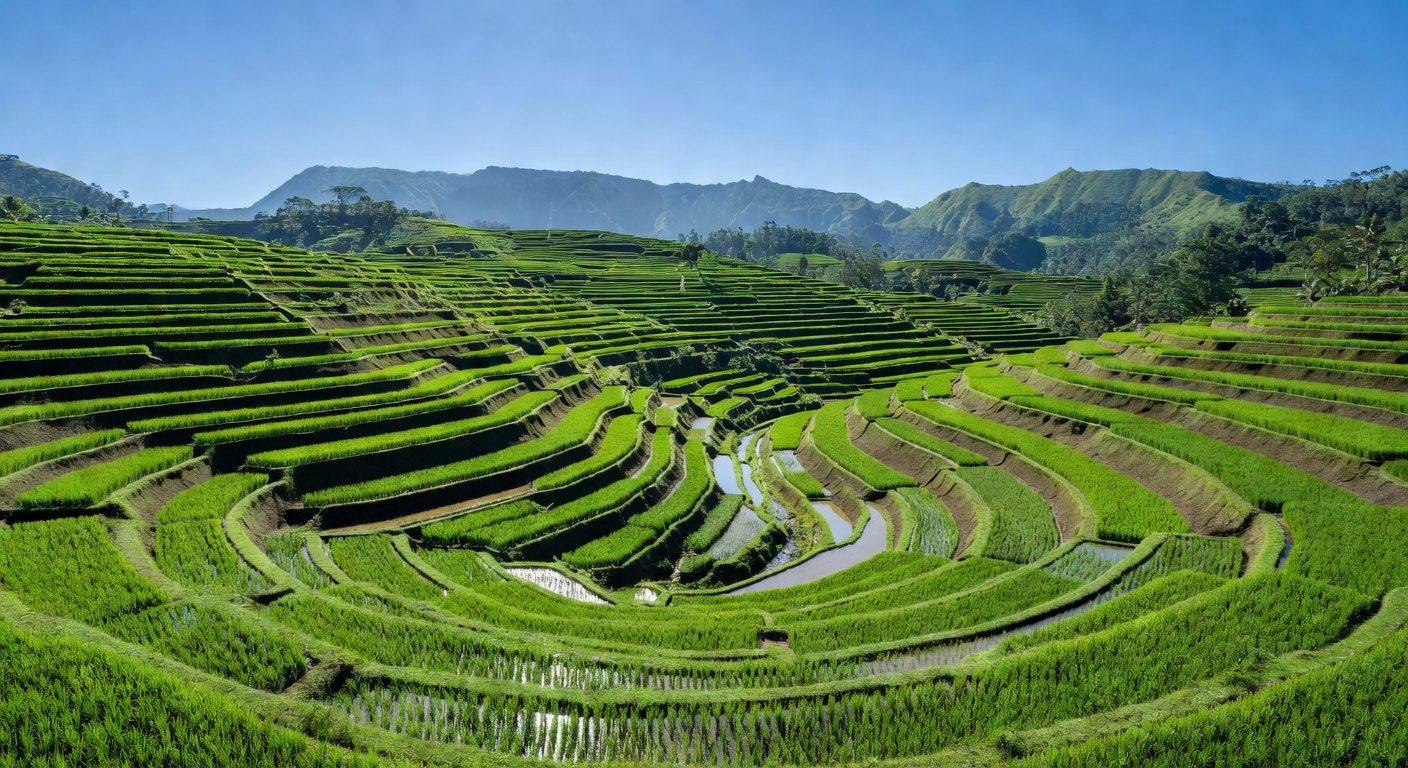
From a hillside position above Jatiluwih, the view is extraordinary — a vast amphitheatre of curved terraces descending to the valley floor, each terrace a slightly different shade of green depending on its stage of growth. The geometry is both natural and constructed, organic and mathematical, and it changes completely with the quality of light throughout the day.
"The Balinese rice terrace is not a landscape to be photographed quickly. It demands the patience to wait for clouds to sculpt the light, for farmers to arrive at dawn, for the mist to clear in the valley below."
Sri Lanka's Tea Country: A Comparative Note
During the same trip through Southeast Asia, I spent a week in Sri Lanka's central highlands, in the tea plantation country around Nuwara Eliya. The visual vocabulary here is entirely different from Bali — less green fire, more muted and pastoral — but the photographic opportunities are equally rich.
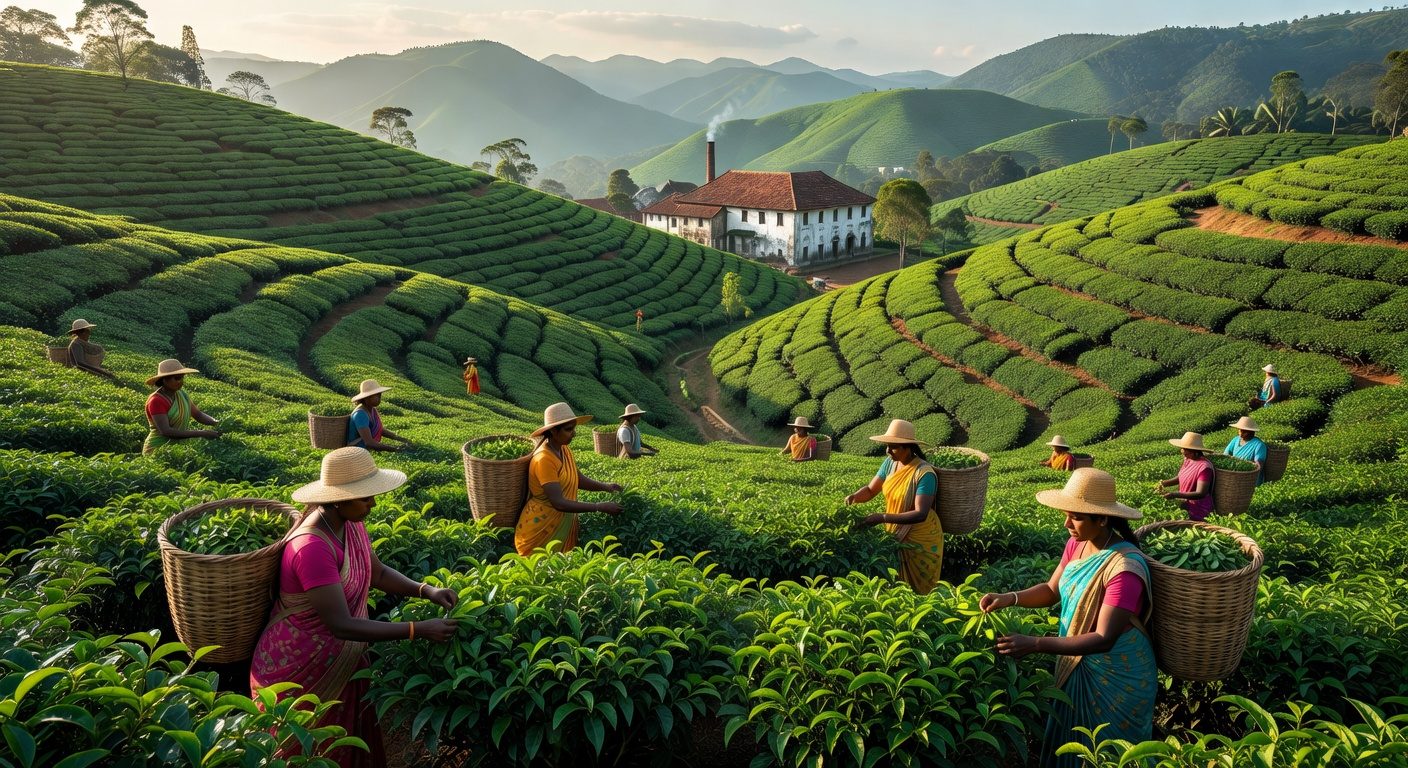
The hill country produces a tea-picking season that draws thousands of Tamil pickers who move through the rows in a choreography of colour — their saris of crimson and saffron against the muted green of the tea bushes create portrait opportunities that demand a telephoto lens and a good understanding of colour theory in post-processing.
📷 Bali Photography Tips
- Arrive at Tegallalang by 6:30 AM to beat the tour groups and get the morning mist
- Jatiluwih offers a more remote, majestic experience — hire a guide with local knowledge of the best angles
- Drone photography requires permits — apply at least 3 days in advance through the local tourism board
- Morning cloud and afternoon cloud both create dramatically different light — plan to return twice
- Respect the religious significance of the terraces — avoid stepping on the irrigation channels or shrines
- A polarising filter is essential for managing reflections from the water-filled terrace paddies
The Light in the Valley
The light in Bali is tropical light — hard, high, and unforgiving at midday — but at sunrise and sunset it becomes extraordinary. The terraced valleys channel the golden-hour light differently than any flat landscape; the stepped horizontal planes catch and reflect the warm light at angles that would be impossible on open ground, creating a series of natural reflectors that transform even a simple composition into something luminous.
On my last morning at Jatiluwih, I rose at 4 AM and positioned myself on a ridge before first light. As the sky paled to indigo and then to rose, the terraces below revealed themselves slowly — first as dark shapes, then as glowing bands of colour as the light arrived. I stayed until 9 AM, by which time the harsh tropical light had reasserted itself and the magic was over. But for those three hours, it was perhaps the most beautiful thing I have ever photographed.