Iceland in February is a land of extremes. Darkness retreats to eighteen hours and then surges forward again, leaving a narrow band of extraordinary light — golden, blue, and violet — that transforms the volcanic landscape into something from another world entirely. This is Iceland for photographers: brutal, beautiful, and uncompromising.
I first came to Iceland three years ago, armed with an optimistic gear list and very little understanding of how cold truly affects both the photographer and the equipment. I returned wiser, better equipped, and utterly addicted to the specific quality of light that you can only find in subarctic landscapes at the edge of the habitable world.
The Black Sand Coast
Reynisfjara, Iceland's famous black sand beach, is most dramatic in February. There are no crowds, the basalt columns rise from the storm-tossed Atlantic as they have for millennia, and the contrasts are absolute — jet black volcanic sand against white-capped charcoal waves, backed by moss-green sea cliffs that rise like the walls of a cathedral.
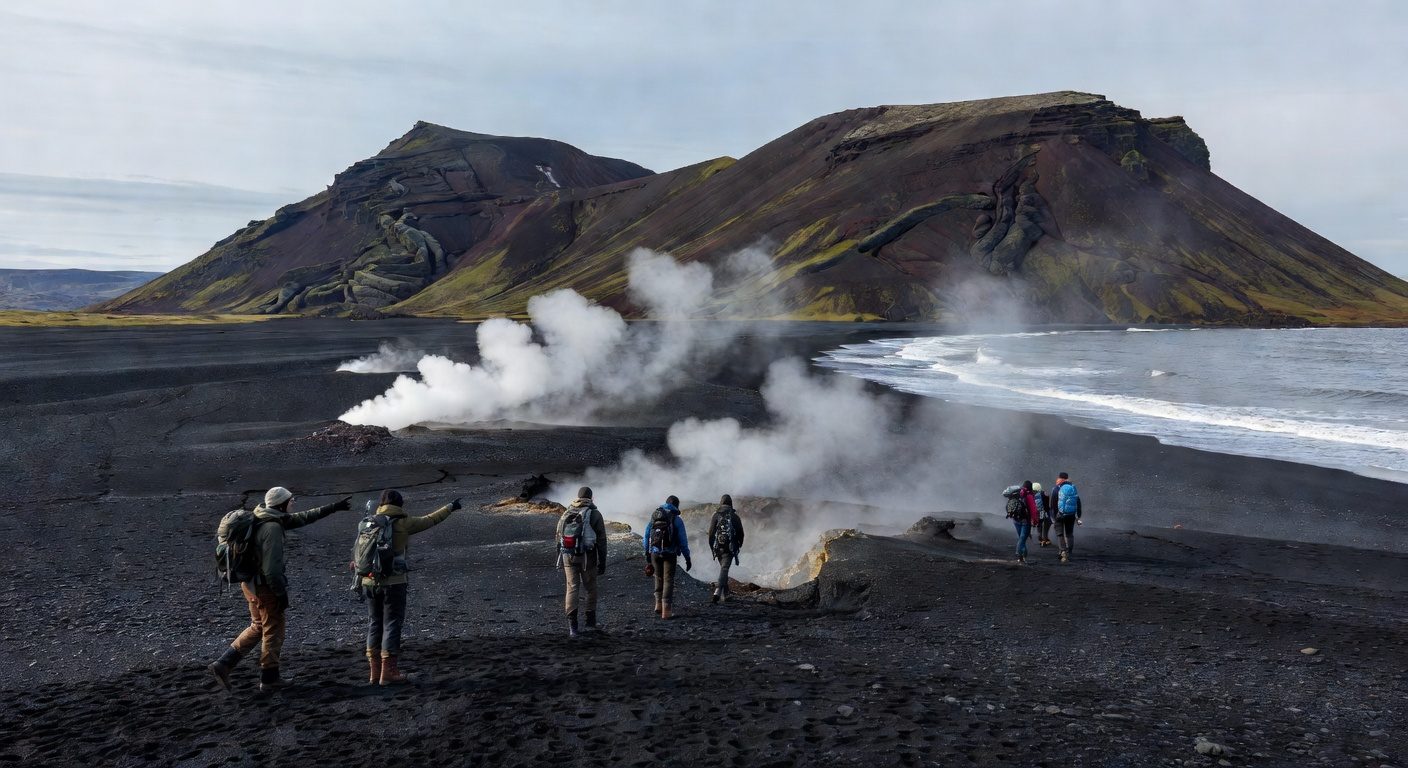
The key compositional challenge at Reynisfjara is handling the exposure. The black sand absorbs light while the foam of the waves reflects it — a dynamic range of 5–7 stops that requires either HDR shooting or graduated ND filters to balance correctly. I settled on a 3-stop hard GND, which darkened the brightest foam just enough to hold detail through the image.
"Iceland teaches you that the best light doesn't wait — it arrives, transforms everything, and disappears in minutes. The photographers who succeed here are the ones who are already in position when it happens."
Inside Vatnajökull
The glacier is Europe's largest, and its ice caves are among the most extraordinary photographic environments I have ever encountered. The ice is not simply blue — it is every shade of blue imaginable, from the palest turquoise to a deep indigo that verges on black in the deepest chambers. The colour comes from the density of the ice: compressed over thousands of years, it has absorbed all wavelengths of light except blue.
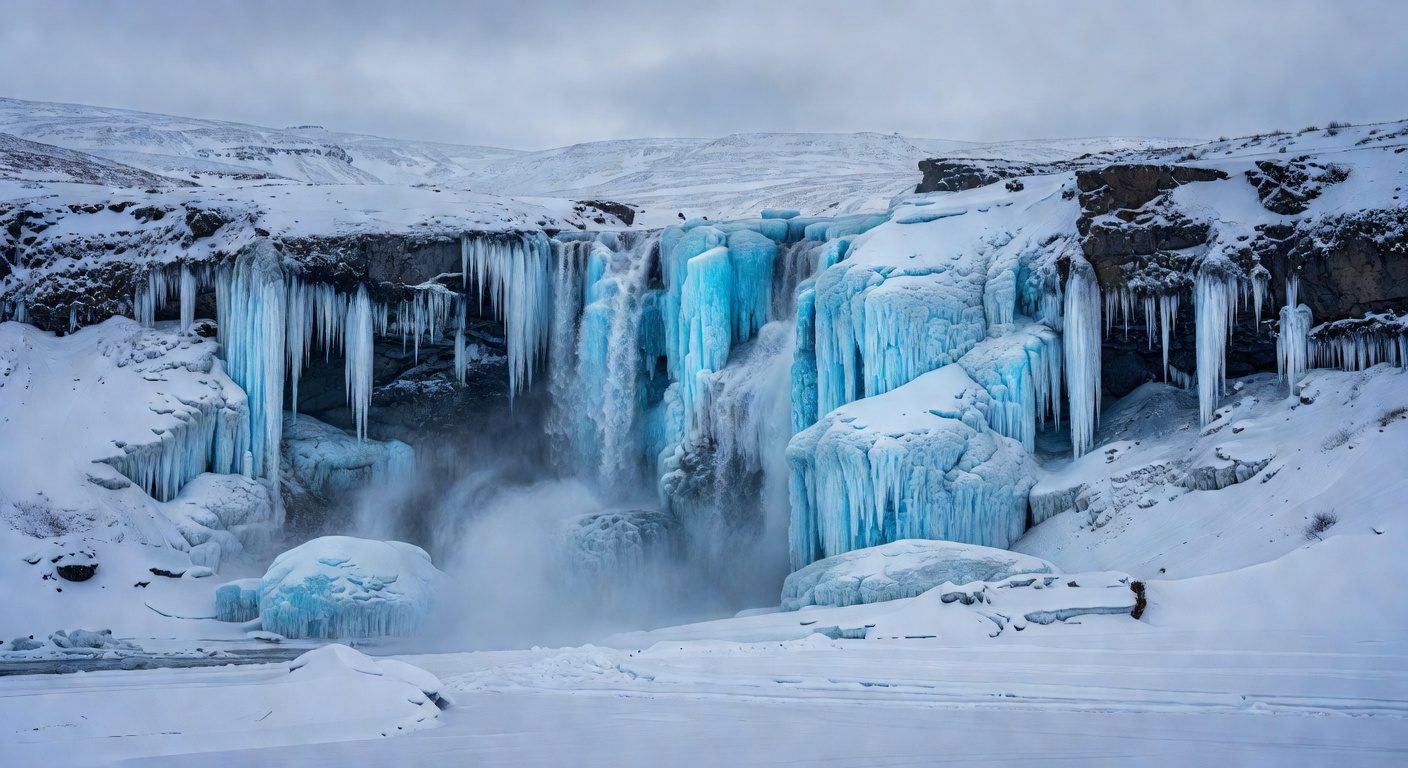
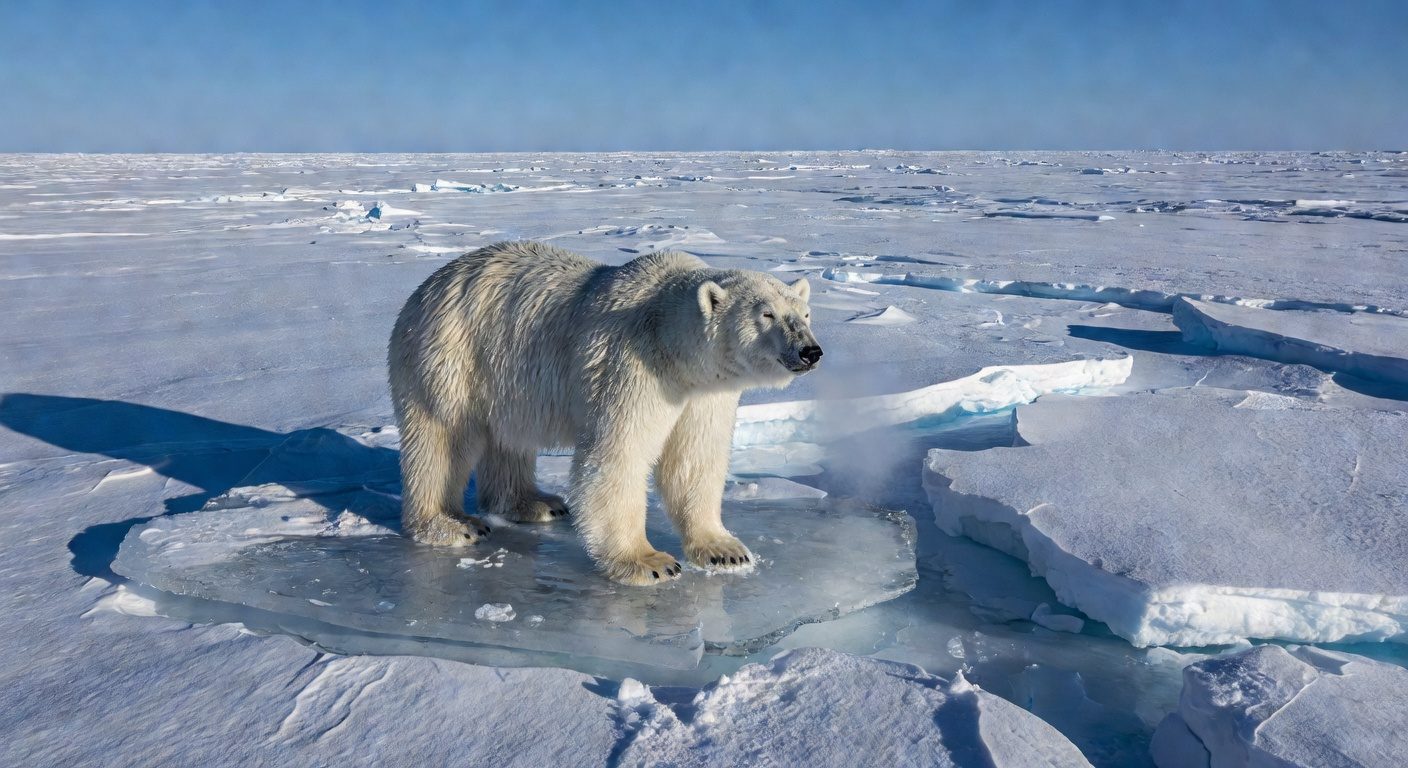
Shooting inside the cave requires a tripod (mandatory), ISO sensitivity up to 3200, and the willingness to lie on extremely cold ice for low-angle compositions. The light changes throughout the day as the sun angle changes outside, but the most extraordinary quality arrives in the late morning when a shaft of direct light enters the cave entrance and illuminates the ice from within.
📷 Iceland Photography Kit List
- Full-frame mirrorless body — Sony A7 IV or Nikon Z8 for weather sealing
- 16–35mm f/2.8 for landscapes and ice caves
- 70–200mm f/4 for compressed landscape and waterfall compression
- Carbon fibre tripod with spikes for icy surfaces
- 4x ND, 6x ND, and 3-stop soft GND filters
- Hand warmers in camera bag (batteries fail in cold)
- 3x spare batteries — cold kills charge within 90 minutes
Northern Lights Photography
The aurora borealis is unpredictable, responsive to solar wind activity, and entirely worth every cold night spent waiting for it. In February, the darkness gives you a 6-hour window between dusk and dawn where a strong aurora can appear. Apps like SpaceWeather and My Aurora Forecast are essential — but local guides always know better than algorithms.
My best aurora night came on the fourth evening of the trip, when a Kp-5 storm painted the entire northern sky in curtains of green and violet for nearly three hours. I was positioned on the shores of a frozen lake south of Reykjavik, and the reflections in the ice below doubled the spectacle. Shots at ISO 3200, f/2.8, 6 seconds — barely enough to freeze the movement, but the slight blur of the aurora actually added to the otherworldly quality.
Practical Planning Notes
February is the peak of winter and genuinely harsh. Road conditions change hourly, and the Icelandic Road Administration website (road.is) should be checked before every morning drive. Iceland in winter rewards photographers who accept that the weather dictates the schedule — fight it, and you'll spend your whole trip frustrated.